
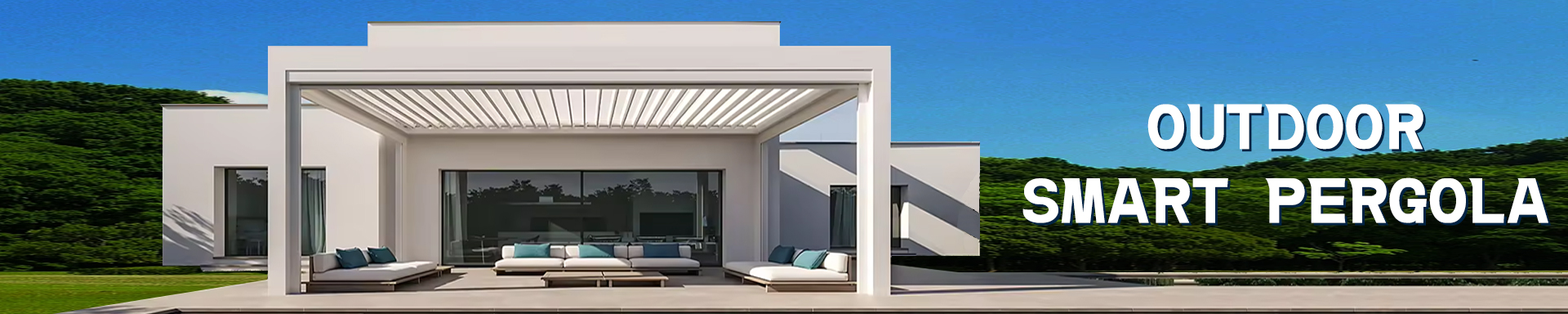
1. Material Properties and Durability
The material choice for a sunroom frame directly affects its performance, lifespan, and maintenance. Selecting between aluminum and wood depends on your priorities for strength, maintenance, aesthetics, and long-term investment. Aluminum is lightweight, highly resistant to corrosion, and offers decades of durability, making it ideal for long-lasting outdoor sunrooms. Aluminum Outdoor Sunroom projects often outperform wooden structures in coastal or humid climates, maintaining structural integrity without frequent upkeep.
1.1 Aluminum Frame Strength and Corrosion Resistance
Aluminum frames are engineered from high-strength alloys such as 6063-T5, providing a sturdy yet lightweight structure. These alloys resist bending and flexing under snow loads or strong winds, making them a reliable choice for outdoor sunrooms. Corrosion resistance is one of aluminum’s most notable benefits—it naturally forms a protective oxide layer that prevents rust, even in salty or humid environments. For added durability, powder-coated or anodized finishes protect against scratches, UV fading, and color degradation over decades. Many homeowners report over 30 years of maintenance-free performance. Choosing the right alloy and finish ensures both strength and long-lasting aesthetic appeal.
1.2 Wood Frame Strength and Rot Resistance
Wood frames bring a warm, natural appearance, but their structural performance depends on species and maintenance. Hardwoods like cedar, redwood, or teak naturally resist rot and pests, while softwoods require chemical treatments to maintain longevity. Without proper care, wood can warp, crack, or decay within 5–10 years, especially in wet climates. To maximize durability, implement 3 key steps annually:
-
Inspect exposed surfaces for moisture damage.
-
Reapply sealant or protective coating.
-
Treat for fungal growth or insects promptly.
This attention to maintenance ensures wood frames can last 15–20 years, but they still fall short of aluminum’s lifespan in demanding conditions. Homeowners seeking a balance of natural beauty and durability may consider combining wood accents with aluminum structural components for hybrid designs.
1.3 Lifespan Expectations for Aluminum vs Wood
Comparing lifespan and maintenance between aluminum and wood is crucial for budgeting and planning:
| Feature | Aluminum Frames | Wooden Frames |
|---|---|---|
| Expected Lifespan | 30+ years | 10–20 years |
| Maintenance Frequency | Low, mainly cleaning | High, annual sealing and treatment |
| Structural Stability Over Time | High, minimal deformation | Moderate, risk of warping or cracking |
| Weather Resistance | Excellent, resists rain, snow, humidity | Moderate, needs protection from moisture |
| UV & Finish Durability | Powder-coated/anodized finishes last decades | Paint/stain may fade or peel in 3–5 yrs |
For homeowners prioritizing low-maintenance durability and consistent performance, aluminum frames clearly outperform wood. For projects requiring a premium design feel, Aluminum Sunroom Outdoor offers flexible configurations with minimal upkeep, making it an optimal choice for long-term outdoor enjoyment.
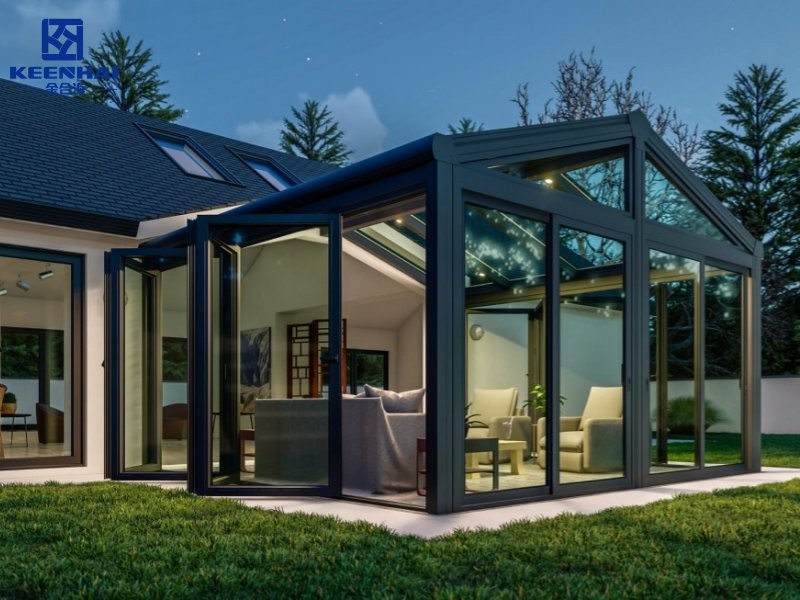
2. Maintenance Requirements
Maintaining a sunroom is essential for preserving its appearance, performance, and longevity. Choosing between aluminum and wooden sunrooms greatly influences how much time and cost you’ll dedicate to upkeep. Aluminum sunrooms excel in low-maintenance durability, while wood offers natural warmth but demands consistent care. Understanding the differences in cleaning, upkeep, and long-term expenses ensures you select the right structure for your lifestyle and environment.
2.1 Cleaning and Upkeep of Aluminum Sunrooms
Aluminum sunrooms, such as Aluminum Sunroom Outdoor designs, require minimal maintenance compared to wood. To maintain their aesthetic and structural integrity:
-
Rinse the aluminum frame with a hose every 3–4 months to remove dust, pollen, and environmental residue.
-
Clean glass or polycarbonate panels with a mild detergent and soft sponge to prevent scratching.
-
Inspect seals, fasteners, and moving parts annually for wear or leaks.
Powder-coated or anodized finishes enhance corrosion and UV resistance, reducing the need for repainting or refinishing. Homeowners report over 30 years of structural stability with simple yearly maintenance, making aluminum a reliable long-term option for low-effort upkeep.
2.2 Cleaning and Upkeep of Wooden Sunrooms
Wooden sunrooms require more proactive maintenance due to natural susceptibility to moisture, rot, and insect damage. Key steps for preserving wood longevity include:
-
Inspect for cracks, warping, or signs of rot every 6 months.
-
Reapply sealants or stains annually to protect against UV and moisture penetration.
-
Remove debris and clean glass or panels gently with neutral cleaners.
-
Treat for pests like termites or carpenter ants as needed.
Even with rigorous care, untreated or neglected wood can degrade within 10–15 years, while high-quality hardwoods with proper treatment can last up to 20 years. The frequency of upkeep makes wood a more labor-intensive choice than aluminum, but it offers a warmer, more traditional aesthetic.
2.3 Long-Term Maintenance Costs Comparison
Comparing long-term maintenance highlights the financial advantage of aluminum over wood:
| Feature | Aluminum Sunrooms | Wooden Sunrooms |
|---|---|---|
| Annual Cleaning & Upkeep | $50–$150 | $200–$500 |
| Protective Treatments | Rare, mainly occasional inspection | Annual sealing, staining, pest control |
| Lifespan with Regular Maintenance | 30+ years | 15–20 years |
| Replacement/Repair Frequency | Low, mostly panel or seal replacements | High, including frame and panel repairs |
For homeowners prioritizing low-maintenance efficiency and minimal long-term expense, aluminum is clearly advantageous. A well-designed aluminum outdoor sunroom not only reduces labor and upkeep costs but also maintains appearance and performance over decades without frequent interventions.
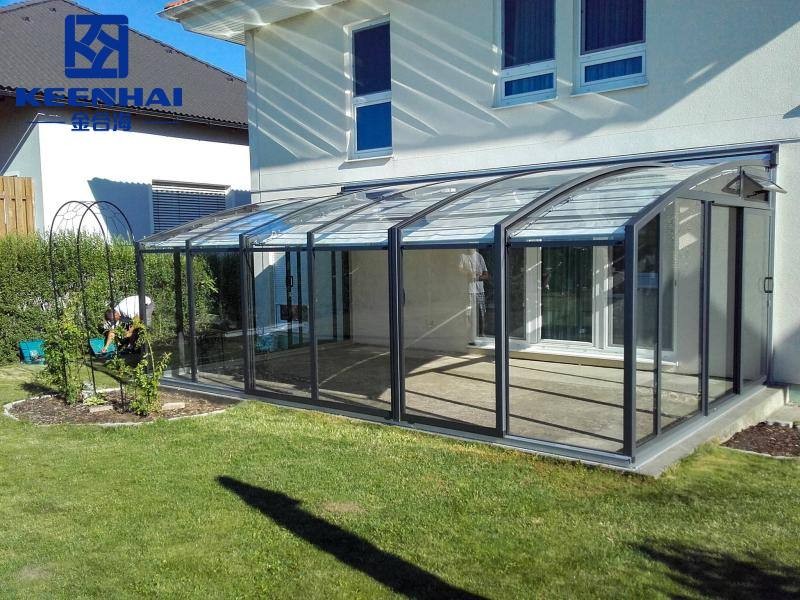
3. Thermal Performance and Insulation
Thermal performance is a critical factor in choosing between aluminum and wooden sunrooms, as it directly affects energy bills, indoor comfort, and seasonal usability. Understanding how each material handles heat transfer, insulation, and temperature control ensures you pick the structure that fits your climate, lifestyle, and energy efficiency goals.
3.1 Energy Efficiency of Aluminum Sunrooms
Modern Aluminum Sunroom Outdoor designs use thermal break technology, double- or triple-glazed panels, and high-performance seals to reduce heat transfer by up to 40% compared to single-pane structures. To maximize efficiency:
-
Choose insulated glazing with Low-E coatings for UV reflection and heat retention.
-
Ensure all frame joints and panel seals are professionally installed to prevent drafts.
-
Consider roof insulation layers or polycarbonate panels for additional thermal protection.
Aluminum’s high conductivity can be mitigated by these techniques, resulting in a sunroom that stays warmer in winter and cooler in summer, while maintaining minimal maintenance and long-term durability.
3.2 Energy Efficiency of Wooden Sunrooms
Wood naturally provides better insulation than aluminum due to its low thermal conductivity. For wooden sunrooms:
-
Use dense hardwoods or engineered timber with consistent grain to reduce heat loss.
-
Apply weatherproof coatings or varnishes to minimize moisture absorption, which can degrade insulation.
-
Install double-glazed or triple-glazed windows to further improve energy retention.
While wood offers slightly higher natural insulation, it requires consistent care to maintain efficiency. Even minor cracks or moisture damage can compromise thermal performance, making regular inspections and refinishing essential for long-term energy savings.
3.3 Seasonal Comfort and Temperature Control
Both aluminum and wooden sunrooms can achieve year-round comfort if properly designed:
| Feature | Aluminum Sunrooms | Wooden Sunrooms |
|---|---|---|
| Heat Retention in Winter | Moderate, enhanced with thermal breaks | High, natural insulation |
| Cooling in Summer | Moderate, enhanced with reflective glazing | Moderate, may require shading or ventilation |
| Draft and Leak Prevention | High, with professional sealing | Moderate, requires consistent maintenance |
| Long-Term Energy Savings | High if properly insulated | Moderate to High depending on maintenance |
To optimize seasonal performance, combine high-quality glazing, proper sealing, and optional shading solutions. Aluminum structures, with these enhancements, can match or even exceed wooden sunrooms in energy efficiency while offering lower maintenance and superior durability.
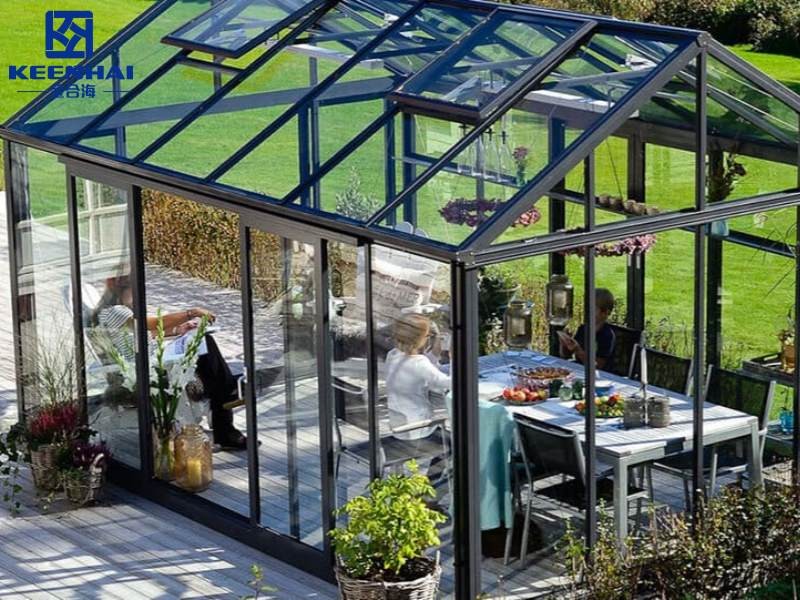
4. Aesthetics and Design Flexibility
Design flexibility and visual appeal are essential considerations when choosing between aluminum and wooden sunrooms. A structure’s look, how it integrates with your property, and the customization possibilities often outweigh basic material concerns, especially for homeowners focused on style and long-term value.
4.1 Visual Appeal of Aluminum Sunrooms
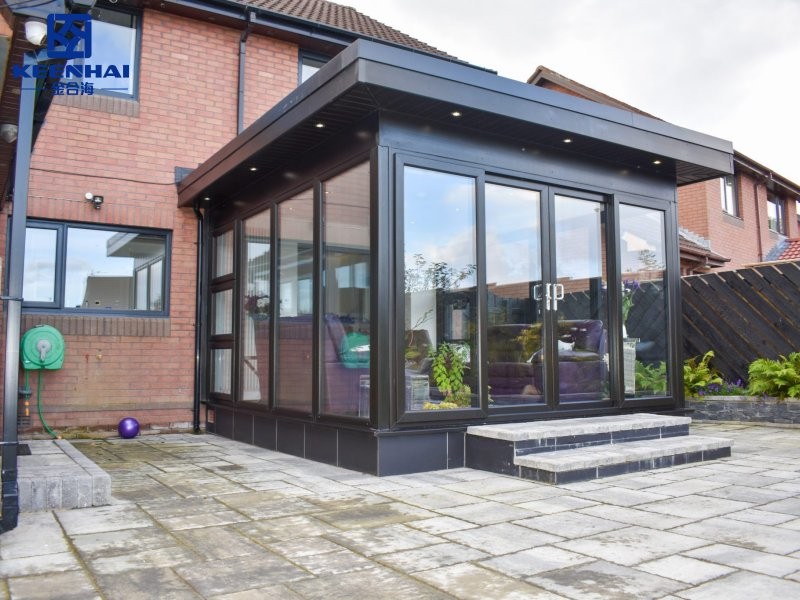
Modern Aluminum Sunroom Outdoor designs combine sleek metallic lines with large, uninterrupted glass panels, creating a contemporary, high-end look that complements both urban and suburban properties. Aluminum frames can be finished with powder coating, anodizing, or custom colors, allowing seamless integration with existing architecture. To optimize appearance:
-
Choose frame colors that harmonize with your exterior paint or roof.
-
Consider matching roofing panels or integrated gutter systems for a polished finish.
-
Use slimline profiles to maximize glass area, enhancing daylight and the sense of space.
Aluminum structures are highly resistant to fading, corrosion, and weather damage, maintaining their aesthetic appeal for decades without intensive maintenance.
4.2 Visual Appeal of Wooden Sunrooms
Wooden sunrooms bring a warm, traditional charm that naturally complements classic or rustic home styles. Hardwood or engineered timber allows for intricate moldings, custom trims, and rich textures that aluminum cannot replicate. Key considerations include:
-
Select rot-resistant timber species like cedar or redwood to maintain visual integrity over time.
-
Apply high-quality stains or paints to enhance grain and color consistency.
-
Inspect and touch up finishes every 2–3 years to prevent weathering or discoloration.
While wood offers unmatched natural beauty, its longevity and consistent appearance depend on proper maintenance and weatherproofing, which is critical for preserving both style and structural integrity.
4.3 Customization Options and Architectural Fit
Both aluminum and wooden sunrooms can be tailored to fit unique architectural requirements, but the approaches differ:
| Feature | Aluminum Sunrooms | Wooden Sunrooms |
|---|---|---|
| Color and Finish Options | Extensive powder-coated, anodized, or metallic finishes | Limited to natural stains and paints, requires regular maintenance |
| Frame Profiles | Slim, modern, modular designs | Bulkier profiles, intricate moldings possible |
| Roof Integration | Flat, sloped, or multi-pitch designs possible | Often limited by timber beam sizes and load considerations |
| Glass or Panel Integration | Large, uninterrupted panels easily supported | Requires additional framing for large panels |
To achieve a perfect architectural fit, consider the home style, surrounding landscape, and desired natural light, then select the material and finishes that enhance both aesthetics and function. Aluminum sunrooms excel in modern, minimalistic designs, whereas wooden sunrooms shine in traditional, rustic, or highly customized architectural contexts.
5. Cost Considerations
Understanding both upfront and long-term costs is essential when comparing aluminum and wooden sunrooms. Beyond initial installation, the true value depends on durability, maintenance requirements, and potential replacement expenses. This ensures homeowners make an informed decision that balances style, performance, and financial planning.
5.1 Initial Installation Costs
Installing a Aluminum Sunroom Outdoor generally carries higher upfront costs than wood due to specialized fabrication, corrosion-resistant finishes, and precise modular engineering. Typical cost ranges for a 200–300 sq ft sunroom:
-
Aluminum Sunrooms: $25,000–$45,000, including frame, glazing, and professional installation.
-
Wooden Sunrooms: $15,000–$30,000, factoring in premium hardwood, custom carpentry, and labor.
Aluminum’s pre-finished panels and modular design reduce on-site labor time, while wood often requires intricate cutting, sanding, and staining, which can increase installation duration and labor costs. Choosing aluminum also allows for easier future expansions or structural modifications, potentially saving money in long-term upgrades.
5.2 Long-Term Value and Replacement Costs
Over decades, aluminum sunrooms often outperform wood in cost-efficiency. They resist corrosion, UV fading, and warping, reducing frequent repairs or refinishing. For wooden structures, plan for staining, sealing, and occasional timber replacement every 5–10 years, which can accumulate into significant maintenance costs.
| Factor | Aluminum Sunroom | Wooden Sunroom |
|---|---|---|
| Maintenance Frequency | Low – minimal cleaning & touch-ups | Medium to high – refinishing, sealing |
| Lifespan without major repairs | 30–40 years | 15–25 years |
| Long-Term Cost Estimate (30 yrs) | $30,000–$50,000 | $45,000–$70,000 |
For homeowners seeking long-term value, durability, and reduced upkeep, aluminum sunrooms provide a predictable investment with fewer surprises. Wooden sunrooms may appeal to those prioritizing natural aesthetics and initial cost savings, but ongoing maintenance and replacements can quickly offset upfront savings.